
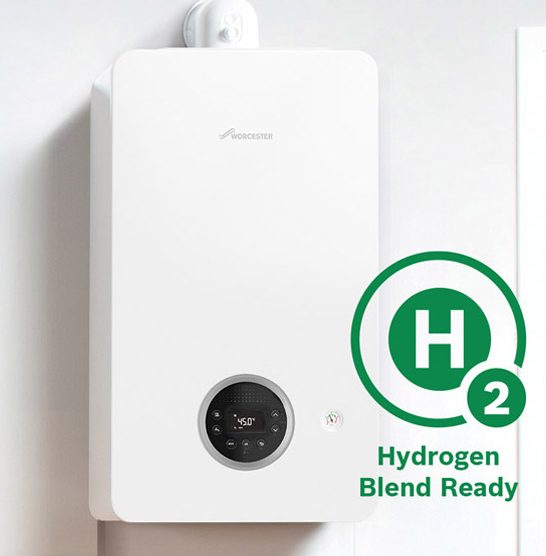
The UK has been exploring the potential of blending hydrogen into the gas network as part of its strategy to decarbonise heating and reduce reliance on natural gas. Hydrogen, when burned, produces no carbon emissions, making it an attractive option for reducing greenhouse gas emissions from homes and businesses.
Here are the key updates and considerations regarding hydrogen blending in the UK gas network:
1. Hydrogen Blending Trials
HyDeploy: One of the key projects, HyDeploy, has been conducting trials of blending up to 20% hydrogen with natural gas. Trials have taken place at Keele University and in the wider community in areas like Winlaton, aiming to demonstrate the feasibility of using hydrogen in the existing gas infrastructure without the need for significant modifications to appliances or the network.
Success of Trials: Initial results have shown that using a 20% hydrogen blend is technically feasible and safe. Household appliances like boilers, cookers, and hobs can operate on this blend without major alterations, which is promising for a future roll out.
2. Regulatory Considerations
The UK government and OFGEM (the energy regulator) are reviewing the regulatory framework around hydrogen blending. They are considering the safety standards, public acceptance, and economic viability of scaling hydrogen blending across the entire UK gas network.
The Gas Safety (Management) Regulations (GSMR) currently limit the amount of hydrogen in the network to 0.1%, so changes would be needed for widespread adoption of hydrogen blends.
3. Government Commitment
The UK government’s Hydrogen Strategy released in 2021 laid out ambitions to scale hydrogen production, including the potential use of a hydrogen blend to decarbonize heating by the late 2020s or early 2030s.
In 2023, the government announced its intention to make a final decision on whether to move forward with hydrogen blending by 2025.
4. Public Consultation and Trials
Public consultations and further trials are planned to ensure public acceptance and to test whether homes, particularly in areas with older infrastructure, can safely accommodate hydrogen blends.
Ongoing research is also looking into the impacts on appliances, boilers, and industrial processes.
5. Next Steps
By 2025, the UK government is expected to decide whether hydrogen blending should be rolled out across the gas grid. If approved, this could significantly reduce carbon emissions while maintaining the existing gas infrastructure for domestic heating.
Hydrogen blending is seen as a short- to medium-term solution while the country explores a full transition to clean energy systems, including electrification and possibly 100% hydrogen networks in the future.